
❃
They say there have been hangings across the border. Yn Lloegr. In England, women have swung from the gallows, their feet dancing high above the crowds. In Scotland it is worse. King James has made sure of that. Women have burned on great biers, their bodies like tallow candles, melting, then stiffening. Blackened. Charred. Women branded — witsh. They say the smell of burning hair is rancid. They say it fills the air like mizzle.
The Villagers
I’ve been so engulfed in writing, editing and thinking about the novel, that I haven’t actually spoken about it much. (In fact, I haven’t put a blog post out in 18 months — and this fantastic post by writing pal Natalie Ann Holborow made me realise I might be missing a trick).
The novel, titled Witsh, has been five years in the making… I promise I haven’t been procrastinating all that time — unless you count having two kids, releasing two poetry books and editing a collection of short stories, along with my day job, procrastination. Admittedly, there’s been a lot of coffee and Netflix in the mix too.
The trouble is, now that I’m on draft number 7,268, I’m not really seeing it clearly anymore. I’m riddled with self-doubt: what if people don’t ‘get it,’ what if they don’t relate to the protagonist, what if the novel just isn’t very good? (Should I be saying this? It doesn’t feel like a great marketing tactic …) The truth is, I’m terrified to stop tinkering with it, to say ‘enough is enough’ and put it out into the world.
But there comes a point, I suppose, where we have to accept the work is ‘good enough’ and let it go. So… how do we get to that point? What happens between the conception of an idea and having that book in your hands?
The journey is different for everyone, and there will be no one-size approach, but here’s how it went for me:
Drafting the novel
I won’t get into detail here about the process of research, plotting (or not plotting) and then actually writing your first draft, because that could be a whole post of it’s own. In short, Witsh involved a lot of in-depth research into the sixteenth century in Wales and a deep dive into the Court of Great Sessions records. (Historic fiction really is a whole entity of its own.)
What I will say is that you won’t get anywhere without actually writing the thing, as daunting as it can feel to put pen to paper! So get that story written.
Submitting to agents
When I was happy that I had a publishable manuscript, I sent it off to a few agents. I was lucky — I had immediate interest from Laura Williams at Greene and Heaton, and after a zoom chat, I decided to sign up with her.
Laura understood my vision, loved the story and the themes, and I really felt she just got it. Basically, we vibed. Once I’d signed my contract, we had another chat and she had some pointers about the book — questions about particular characters, areas to be developed, and so on. So along with some trusted friends who provided useful feedback, Laura was a big part of getting the book ready to send to publishers.
Having the novel out on submission was actually daunting and uncomfortable. A few people advised me to focus on the next project to take my mind off it, but honestly, I didn’t have anything else in me and couldn’t focus on any other creative work. It was just a case of waiting, and waiting, and waiting, for a bite.
Securing a publisher
An agent’s role is to send the work off to editors they feel it would gel with. If the editor likes the book, they take it to acquisitions, and you might get an offer. If you’re lucky, you might get more than one.
Witsh was picked up by Honno, an independent Welsh Women’s press, and I am infinitely glad about that. Commissioning Editor Rebecca Parfitt, (who I’ve incidentally worked with in the past,) loved the book and I felt the moral and themes of the book aligned so well with the values of Honno, who aim to champion women’s writing, it felt like the perfect home.

Edits, edits, edits
So, I wrote the thing, I edited and edited and edited. I worked with Laura at Greene and Heaton and edited some more. We’re done right? Wrong. Next came ‘structural edits’ and extensive notes from Rebecca at Honno. Structural edits involve development of particular areas in the story, addressing inconsistencies or unclear character motivations and so on. Then it’s on to ‘line edits,’ a more in-depth look at line level, (examples might include ‘why have you got roses at full bloom in December?’ or ‘no one was drinking Starbucks in the sixteenth century.’ (That second one was a joke, I promise.))
So where are we now? I’m currently working my way painstakingly through the manuscript in a frenzied attempt to catch rogue commas or jarring instances of repetition. Yes, there will be a ‘copy editing’ stage which will address this, but like I said, I’m in panic-mode, absolutely convinced if the book hits the shelves with a misuse of the Oxford comma my writing career will be over. Forever.
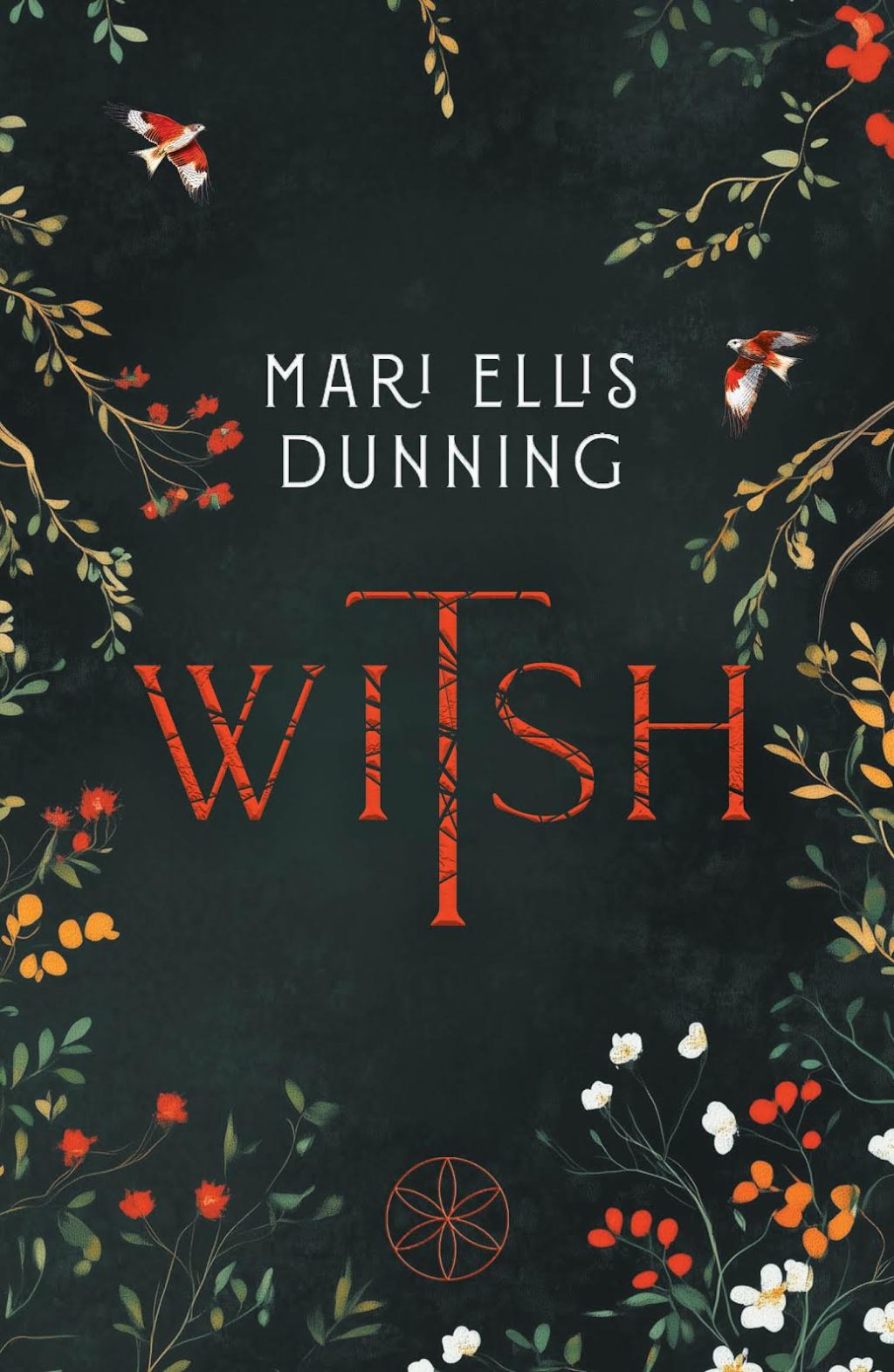
We’re so close to the finish line now — the cover is designed, the manuscript is nearly there and the launch date is locked in, (it’s 23rd of October, by the way.) Of course I’m excited, this is my first novel after all, and it addresses themes and topics that I’m really passionate about: women’s lives, witchcraft, bodily autonomy, resilience in the face of adversity, Wales and the Welsh landscape, and motherhood. I’m trying to hold on to that excitement, and to soak up the success, even if I do want to hide.
So here we go. I’m taking a deep breath, and saying “enough.”


 Mari Ellis Dunning
Leave a comment